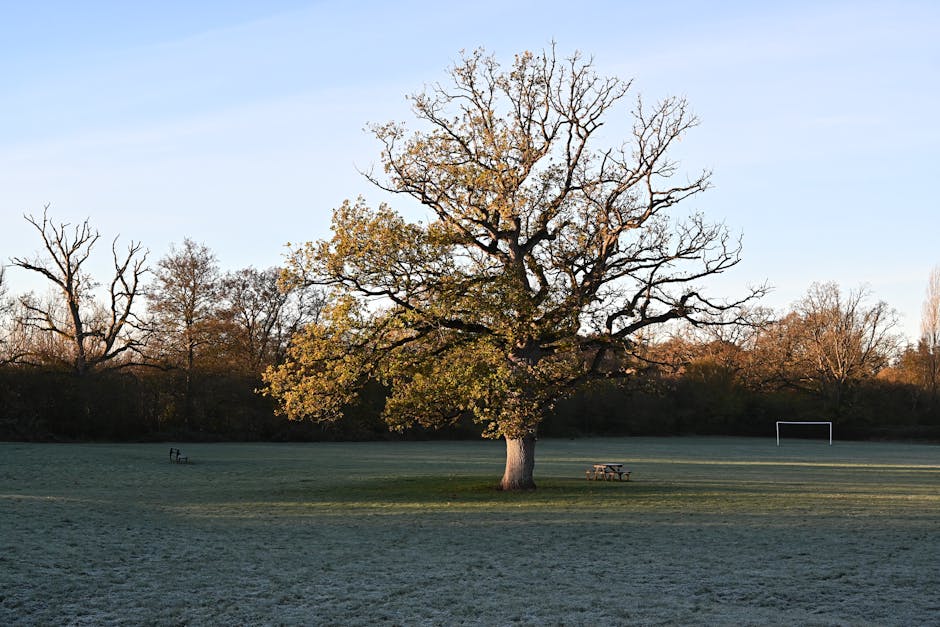
Gardeners for Blythe Hill Fields borders in Honor Oak SE23
If you are looking after borders near Blythe Hill Fields, you already know the problem: they can look lovely in spring and then, a few weeks later, drift into something tangled, tired, or a bit forgettable. Gardeners for Blythe Hill Fields borders in Honor Oak SE23 are there to keep those planting areas looking intentional, healthy, and suited to the local setting. That means more than a quick tidy. It means understanding light, soil, seasonal growth, and the practical reality of maintaining borders that sit close to homes, paths, fences, and everyday foot traffic.
In this guide, we will walk through how border gardening works, what good maintenance actually involves, and when it makes sense to bring in professional help. You will also find a checklist, a comparison table, and a realistic look at the mistakes people make when they try to manage borders without a clear plan. Truth be told, borders are one of those garden features that look simple until you try to keep them right. They reward good decisions, though. Beautifully.
Contents
- Why Gardeners for Blythe Hill Fields borders in Honor Oak SE23 Matters
- How Gardeners for Blythe Hill Fields borders in Honor Oak SE23 Works
- Key Benefits and Practical Advantages
- Who This Is For and When It Makes Sense
- Step-by-Step Guidance
- Expert Tips for Better Results
- Common Mistakes to Avoid
- Tools, Resources and Recommendations
- Law, Compliance, Standards, or Best Practice
- Options, Methods, or Comparison Table
- Case Study or Real-World Example
- Practical Checklist
- Conclusion
- Frequently Asked Questions
Why Gardeners for Blythe Hill Fields borders in Honor Oak SE23 Matters
Borders do a lot of the visual work in a garden. They soften hard edges, frame lawns, guide the eye, and make a small outdoor space feel considered rather than accidental. Near Blythe Hill Fields, where gardens can feel exposed to changing weather, shade from mature planting, and the practical pressure of everyday use, border maintenance has to be both tidy and resilient.
Good border work matters because it protects the structure of the garden. Without regular attention, herbaceous plants can flop, shrubs can crowd out smaller varieties, weeds can seed themselves into gaps, and soil can become compacted. The result is not just a messy look. The planting starts performing badly. That is usually when people notice they are watering more, getting less colour, and spending more time cutting back than enjoying the space.
Local gardeners also tend to see the same pattern in SE23 gardens: borders that looked great after planting but were never fully planned for year-round maintenance. That is where experienced help becomes valuable. A skilled gardener can read what is happening in the border before it becomes obvious to everyone else. You know, the subtle stuff. A plant leaning for light, a dry patch near a wall, or a clump that is quietly taking over.
If you want to see how a broader maintenance plan fits together, the services overview gives a useful starting point, while the garden maintenance service is often the practical backbone for keeping borders, lawns, and beds in shape together.
How Gardeners for Blythe Hill Fields borders in Honor Oak SE23 Works
Border care is usually not one single job. It is a sequence of small, deliberate tasks that keep the planting balanced across the seasons. In a typical visit, a gardener may begin with a visual review, checking plant health, weed pressure, growth habit, soil condition, and whether the border still matches the original design intent. Then come the hands-on tasks: deadheading, cutting back, edging, mulching, weed removal, and selective pruning.
The process often depends on the type of border. A perennial border needs a different rhythm from a mixed border with shrubs, climbers, and bulbs. A shaded border near a boundary fence behaves differently from a sunny frontage border that gets baked by afternoon heat. In practice, the gardener works with the site rather than forcing the site into a fixed routine.
For more structural work, border maintenance may overlap with broader improvement services. For example, if a border has become overgrown or the layout no longer works, landscape gardening or landscaping may be needed to re-shape beds, improve drainage, or reintroduce a better planting scheme. If the issue is mainly overgrowth at the edges, hedge trimming and occasional tree lopping and removal can also change the quality of light and space around the borders.
The main point is simple: border work works best when it is regular, seasonal, and responsive. Not dramatic. Just consistent. That's the bit people underestimate.
Key Benefits and Practical Advantages
Professional border care brings benefits that go beyond appearance. Yes, a neat border looks better from the window or path. But the real gains are often quieter and more lasting.
- Cleaner structure: Plants have room to breathe, which helps the border look intentional instead of crowded.
- Healthier planting: Removing dead stems, pests, and weak growth can reduce stress on the rest of the bed.
- Less weed pressure: Well-maintained soil and mulch make it harder for weeds to take hold.
- Better seasonal colour: A properly managed border can be planned to perform through spring, summer, and into autumn.
- Lower long-term effort: Regular care usually prevents the big, exhausting reset jobs.
- Improved kerb appeal: Borders are one of the first things people notice, especially from the street or shared view lines.
There is also a practical comfort factor. A border that has been cut back correctly is easier to walk past, easier to water, and less likely to spill into paths or seating areas. For busy households, that matters. You do not want every weekend eaten by redoing the same jobs. Let's face it, nobody gets excited about hacking through a thicket of self-seeded foxgloves on a Sunday morning.
For people who want dependable upkeep rather than one-off rescue work, the most useful service is often a combination of border care and lawn mowing, because the contrast between crisp edges and healthy planting makes both features look better.
Who This Is For and When It Makes Sense
This kind of gardening support is ideal for homeowners, landlords, and occupiers who want their borders to stay attractive without having to manage every detail themselves. It is especially helpful if the garden has become uneven over time, or if the borders were established by a previous owner and need a fresh pair of eyes.
It also makes sense if:
- your borders are healthy but untidy and need shaping rather than replacing;
- you have a mix of shrubs and perennials that need different pruning timings;
- weeds, brambles, or self-seeded plants keep returning;
- shade or overhanging growth has changed the growing conditions;
- you want a better seasonal plan instead of reactive tidying;
- the garden is used regularly by children, pets, or visitors and needs to feel safe and orderly.
It is also worth saying that some people only need a one-off refresh before spring or before a property sale. Others need ongoing maintenance every few weeks. Both are valid. The right answer depends on how much time you have, how quickly the planting grows, and how fussy you want the finish to be. Some people love a slightly wilder look; others want sharp edges and symmetry. No judgement either way.
If budget planning is part of the decision, it helps to review pricing and quotes early, so expectations are clear before work starts.
Step-by-Step Guidance
A useful border routine is easier to follow when it is broken into stages. Here is a practical approach that works well in ordinary SE23 gardens.
- Assess the border properly. Look at plant health, spacing, sunlight, drainage, and the amount of weed growth. A five-minute glance is not enough.
- Clear the obvious clutter. Remove litter, fallen branches, dead stems, and any plant material that is obviously done for the season.
- Identify what should be kept, cut, or replaced. Good gardeners do not strip everything back just because it looks untidy. Some growth should remain for shape, shelter, or winter interest.
- Weed carefully. Pull weeds from the root where possible, and avoid disturbing nearby roots too much.
- Prune with purpose. Shrubs and perennials need different treatment. Cutting too hard at the wrong time can reduce flowering or weaken a plant.
- Refresh the soil surface. Light cultivation, compost, or mulch can improve moisture retention and reduce weed regrowth.
- Re-edge the border. A clean line between lawn, path, and bed immediately improves the look of the garden.
- Review spacing and shape. If plants are crowding each other, plan a split, move, or replacement instead of waiting for chaos.
- Schedule the next visit. Borders do better with regular check-ins than with a once-a-year overhaul.
That last step is where the savings often happen, oddly enough. A border maintained on time usually costs less in effort than one left to collapse and then rebuilt from scratch.
Expert Tips for Better Results
After a while, you notice that the best borders are rarely the most crowded ones. They are the ones with good spacing, repeat planting, and a clear sense of rhythm. Here are a few things that genuinely help.
- Work with the light you actually have. If a border only gets a few hours of sun, choose plants that can cope rather than forcing in sun-lovers.
- Leave breathing room. New planting often looks sparse at first. That is fine. Overfilling early usually causes more problems later.
- Use mulch sensibly. It helps with moisture and weeds, but it should not be piled against stems or trunks.
- Keep a seasonal eye on flowering gaps. If one plant finishes early every year, add something that takes over later.
- Watch the edges. A border can be immaculate in the middle and still look messy if the edging is poor.
- Be realistic about maintenance time. If you do not want weekly jobs, choose lower-maintenance planting from the start.
One small but useful trick: stand back from the border at the end of the job. Not right up close. Step to the path, the gate, or the kitchen window and look again. That distance tells you whether the planting reads as coherent. It usually does not lie.
If sustainability matters to you, the team's recycling and sustainability page is worth a look, especially when border clearance creates a fair bit of green waste.
Common Mistakes to Avoid
Most border problems are not caused by one huge mistake. They happen gradually, with a series of small ones. Here are the common traps.
- Cutting everything back at once: Some borders need staggered pruning, not a blanket chop.
- Ignoring plant size at maturity: A border can be perfectly planted on day one and overcrowded a year later.
- Using the wrong plants for the site: Shade plants in full sun, or sun plants in shade, is a recipe for disappointment.
- Leaving weeds until they seed: By then, you are not weeding, you are managing a future problem.
- Forgetting seasonal structure: Borders need something interesting in more than one season, otherwise they become flat for half the year.
- Creating hard-to-reach areas: Deep borders with no access point can become neglected very quickly.
There is also the classic overenthusiastic tidy-up. You go out with good intentions, prune a bit too much, pull a bit too hard, and suddenly the border looks as though a small storm passed through. It happens. The good news is that most of it is fixable if you notice early.
Tools, Resources and Recommendations
Border care does not need a van full of kit, but the right tools make work cleaner and safer. For light to moderate border maintenance, a gardener will usually rely on hand tools rather than heavy equipment, especially around established planting.
| Task | Useful Tool | Why It Helps |
|---|---|---|
| Weeding | Hand fork, weeding knife | Removes roots with less disturbance to nearby plants |
| Pruning | Secateurs, loppers | Gives clean cuts and reduces damage |
| Edging | Half-moon edger, edging shears | Creates crisp lawn and border lines |
| Mulching | Fork, rake, wheelbarrow | Makes distribution even and efficient |
| Border clearance | Rake, shears, bags or bins | Keeps larger cuttings under control |
For bigger clear-outs or if a border has been neglected for a long time, garden clearance may be the sensible first step before any detailed border work begins. That is especially true if there is a lot of old growth, invasive material, or buried debris.
It is also worth making sure the provider has proper procedures in place for safety and handling waste. The pages on health and safety policy and insurance and safety help set expectations around responsible working practices.
Law, Compliance, Standards, or Best Practice
For most domestic border work, the main concern is not legal complexity; it is good practice. That said, responsible gardeners should still work carefully and respect property boundaries, neighbouring plants, and access routes. If waste is removed, it should be handled and disposed of properly. If equipment is used in a shared or tight space, care around trip hazards, sharp tools, and passing residents matters quite a lot.
In the UK, a professional gardener is generally expected to work safely, avoid causing damage, and be upfront about the scope of work. If there are tree-related issues, anything beyond straightforward trimming may need the right level of skill and caution. That is where a service such as tree lopping and removal can be relevant, though only when the problem is genuinely tree-related and not just a border shadow issue.
Best practice also means clear pricing, clear communication, and realistic expectations about seasonal changes. A border will not stay frozen in time. It should evolve. The aim is not perfection in the showroom sense. It is a healthy, attractive, manageable planting scheme that suits the space and the people using it.
If you want to understand how the company approaches trust, transparency, and customer care, the about us page and the complaints procedure are both useful signals of how things are handled when something needs attention.
Options, Methods, or Comparison Table
Not every border needs the same level of intervention. Sometimes a light tidy is enough. Sometimes you need a proper rebuild. Here is a simple comparison to help you think it through.
| Approach | Best For | Pros | Limits |
|---|---|---|---|
| Light maintenance | Healthy borders that just need keeping in shape | Quick, cost-effective, keeps planting stable | Won't solve structural issues or very poor planting choices |
| Seasonal refresh | Borders that are healthy but uneven or tired | Improves appearance and function without full replacement | Needs a sensible maintenance schedule afterwards |
| Border renovation | Overcrowded, neglected, or badly planned borders | Resets structure, planting balance, and access | Takes more time and usually requires more budget |
| Full landscape adjustment | Borders affected by shade, drainage, or layout problems | Allows deep improvements to the garden as a whole | More complex and may involve adjoining features |
A lot of people think they need the biggest option because the border looks rough. Often they do not. A modest intervention done properly can be better than a dramatic reset done badly. That is just honest gardening, really.
Case Study or Real-World Example
Imagine a border along the side return of a typical Honor Oak SE23 garden. It started with a few shrubs, a couple of perennials, and a nice idea about being "low maintenance". A year or two later, the shrubs have swollen, the perennials have collapsed over the path, and weeds are tucked into the dry soil at the front edge. Nothing is catastrophic, but the whole area feels heavier than it should.
In a case like that, the first job is not to rip everything out. It is to clear the surface clutter, remove the weakest growth, and identify which plants are actually worth keeping. Then the bed is re-edged, the soil refreshed, and the strongest plants are given space. Some stems are tied in, others are cut back, and a few unwanted self-seeders are removed completely. The change can be surprisingly calming. Suddenly the garden breathes again.
What usually happens next? The owner realises the border was not the problem on its own. It was the lack of a routine. Once the border gets a seasonal rhythm, the space becomes easy to live with. You look out on a clean line of planting in the evening light, maybe with damp soil after a light shower, and it just feels more settled. Small thing, but you notice it every day.
Practical Checklist
Use this quick checklist before booking or starting border work:
- Check whether the border needs tidy-up, renovation, or a full rework.
- Look for weeds, overcrowding, dead stems, and bare patches.
- Decide whether the main issue is maintenance, planting choice, shade, or drainage.
- Think about how often you want the border maintained.
- Make sure access is clear for tools, waste bags, and safe movement.
- Consider nearby features such as lawns, hedges, fences, and paths.
- Ask how green waste will be handled or recycled.
- Confirm whether the work is a one-off or part of an ongoing plan.
- Review the provider's trust pages, including payment and security and terms and conditions.
- Set a realistic goal: neat, healthy, and manageable is better than trying to make everything look brand new in one go.
If you are unsure where to begin, start with the most visible border. That one usually tells you the most about the rest of the garden.
Get a free quote today and see how much you can save.
Conclusion
Border gardening near Blythe Hill Fields is part plant care, part design sense, and part practical upkeep. Done well, it gives your garden shape, colour, and a calmer feel through the seasons. Done badly, it becomes a recurring chore that never quite gets finished. The difference is usually in the routine, the timing, and the willingness to make small adjustments before problems snowball.
If you want borders that feel healthy and easy to live with, the best approach is steady maintenance backed by clear judgement. Not overcomplicated. Not hurried. Just thoughtful work that respects the garden and the way you use it.
And honestly, that is often what makes the biggest difference: a border that looks good from the path, behaves well in the weather, and still feels manageable next month. A quiet win, but a real one.
Frequently Asked Questions
What do gardeners for Blythe Hill Fields borders in Honor Oak SE23 actually do?
They maintain planting borders by weeding, pruning, edging, mulching, removing dead growth, and improving the overall shape and health of the bed. In some cases they also help rework neglected borders so they are easier to manage long term.
How often should borders be maintained?
It depends on what is planted there and how quickly it grows. Some borders benefit from attention every few weeks during the growing season, while others may only need seasonal visits. Fast-growing shrubs and dense perennials usually need more regular care.
Can a border be rescued if it has been neglected for years?
Yes, often it can. A neglected border may need a clearance phase first, followed by selective pruning, weeding, and sometimes replanting. It is rarely a one-hour fix, but many borders can be brought back into good shape.
Is border maintenance different from general garden maintenance?
Yes. Border maintenance focuses on planting beds, edging, and the balance of shrubs, perennials, and seasonal plants. General garden maintenance is broader and may also include lawns, paths, hedges, and other outdoor areas.
What is the best time of year to work on borders?
There is no single best time because different plants need attention at different points in the year. Spring and autumn are common times for major border work, while summer and winter care tends to be more selective and tidy-up focused.
Do borders need mulch every year?
Not always every year, but many do benefit from periodic mulching. It can help retain moisture, improve soil appearance, and reduce weed growth. The key is to apply it sensibly and not bury the base of plants.
Will border work damage nearby plants?
It should not, if carried out carefully. Skilled gardeners work around root systems, avoid rough handling, and use the right tool for each task. Careless clearing, on the other hand, can absolutely set plants back.
Can border care improve the look of a small garden?
Very much so. In smaller gardens, borders often do a lot of visual work. Clean lines, healthy planting, and good spacing can make the whole space feel larger, calmer, and more polished.
What should I ask before booking a border maintenance visit?
Ask what is included, whether waste removal is covered, how often ongoing maintenance is recommended, and whether any renovation work is likely to be needed. It also helps to ask about insurance, safety, and payment terms.
Do I need a full landscaping project, or just border help?
If the issue is mainly weeds, shape, or seasonal tidying, border help may be enough. If the layout is awkward, drainage is poor, or the planting scheme no longer works, then landscaping or landscape gardening may be more appropriate.
How do I know if my borders are low maintenance or just under-maintained?
A true low-maintenance border should still look intentional and healthy with modest care. If the bed is full of weeds, has dead patches, or keeps collapsing into the path, it is probably under-maintained rather than genuinely low maintenance.
What is the most common mistake people make with borders?
Overcrowding. People often plant too much too close together, then spend the next few years fighting for space, light, and airflow. It is a very common mistake, and to be fair, one that is easy to make when a border looks empty on day one.
Where can I learn more about the company and its services?
You can review the about us page, browse the services overview, and check the pages on maintenance, clearance, and related work to see what fits your garden best.