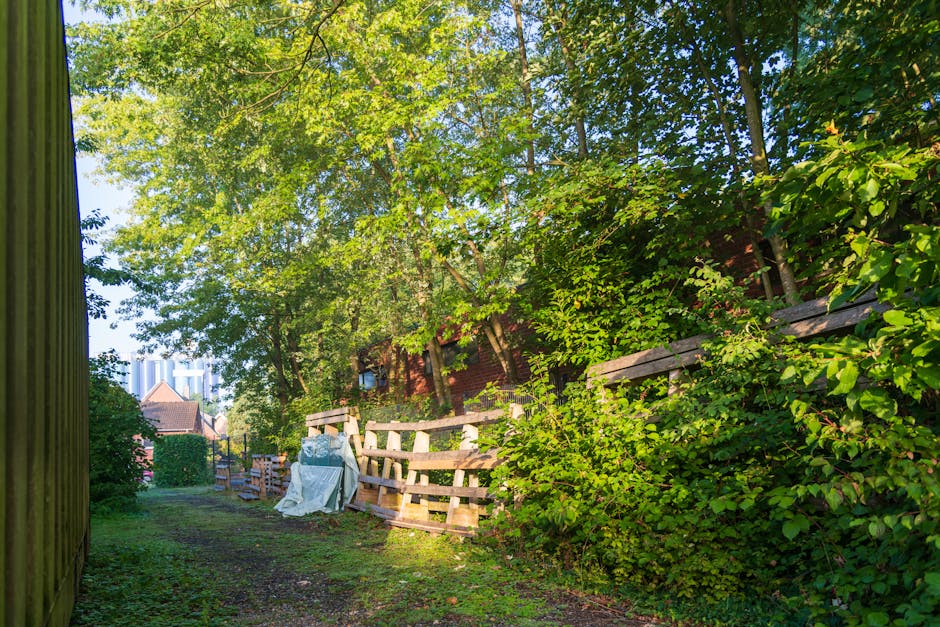
Emergency garden clearance by gardeners in Honor Oak same day
If your garden has suddenly turned into a trip hazard, a windblown mess, or a frustrating eyesore, you probably do not want to wait until next week. That is exactly where Emergency garden clearance by gardeners in Honor Oak same day becomes useful. It is a fast, practical service for clearing unsafe, overgrown, cluttered, or storm-damaged outdoor spaces without dragging the job out.
In Honor Oak, gardens can go from manageable to chaotic rather quickly after a heavy blow of weather, a burst of growth, or a clearance deadline from a landlord, letting agent, or new buyer. The aim here is simple: get the space made safe, workable, and presentable, often on the same day where availability allows. Truth be told, when you are staring at a blocked path, fallen branches, or a garden full of cuttings and rubble, speed matters just as much as neatness.
This guide explains how same-day emergency clearance works, what to expect, who it helps, and how to avoid the usual headaches. It also covers sensible compliance and safety points, because a rushed garden job still needs to be done properly.
Contents
- Why emergency garden clearance matters
- How same-day clearance works
- Key benefits and practical advantages
- Who this is for and when it makes sense
- Step-by-step guidance
- Expert tips for better results
- Common mistakes to avoid
- Tools, resources and recommendations
- Law, compliance, standards, and best practice
- Options, methods, and comparison table
- Case study or real-world example
- Practical checklist
- Conclusion
- Frequently asked questions
Why Emergency garden clearance by gardeners in Honor Oak same day Matters
Emergency clearance is not just about making a garden look tidy. It is often about restoring access, reducing risk, and preventing a small problem from becoming a bigger one. A path blocked by branches, slippery leaves, collapsing hedging, or a garden full of waste can make everyday use awkward and sometimes unsafe.
In practical terms, same-day clearance matters when you have a deadline or a developing issue that cannot wait. Maybe you are due a property viewing. Maybe the bin area has been overrun. Maybe a storm has left branches scattered across the lawn and you need the space usable again before evening. These are the situations where a quick response is more valuable than a decorative finish.
There is also a stress factor that people underestimate. When a garden is untidy in a normal way, you can plan around it. When it is urgent, the mess gets in your head. You notice it every time you look out the window. That is not dramatic, it is just real life. Getting it cleared swiftly can take a noticeable load off your mind.
For homeowners, landlords, tenants, and managing agents in Honor Oak, emergency clearance can also help keep outdoor areas presentable in a busy urban setting where gardens are often compact, shared, or closely overlooked. That means every square metre counts.
If you want to understand the broader range of work available, the services overview is a useful place to see how clearance fits alongside other garden tasks such as ongoing upkeep and larger improvements.
How Emergency garden clearance by gardeners in Honor Oak same day Works
Same-day clearance usually starts with a quick assessment. The gardener or team will want to know what needs removing, whether there are access issues, and how urgent the situation is. A small front garden with light overgrowth is very different from a rear garden full of brambles, broken fencing, heavy green waste, and a fallen branch or two. Easy enough to say, not always easy to move.
Most emergency clearances follow a simple pattern:
- Initial call or message - You explain the problem, the garden size, and how quickly you need help.
- Rapid triage - The team identifies whether the job is suitable for same-day attendance and what equipment or manpower may be required.
- Arrival and safety check - Before work begins, the team looks for hazards such as unstable debris, hidden glass, uneven ground, or unsafe branches.
- Clearance work - Waste is cut back, gathered, bagged, loaded, and removed. Paths, steps, and key access areas are usually prioritised first.
- Final tidy and walkthrough - The space is checked so the result is safe, sensible, and ready for the next step, whether that is simple use or follow-up maintenance.
The exact sequence depends on the job. For example, a garden clearance after tenant move-out may focus on waste removal and general tidying, while an overgrown garden with dense hedging may need a blend of cutting back and clearance. If the job overlaps with pruning or heavier vegetation control, a related service such as hedge trimming may also be relevant. Likewise, if the issue is more severe and involves limbs or unsafe trees, tree lopping and removal may be part of the solution.
Same-day does not mean careless. A good team still works methodically. They simply work with urgency and a clear plan.
Key Benefits and Practical Advantages
People usually call for emergency clearance because they need an outcome fast, but there are broader benefits too.
- Fast restoration of access - You can get to sheds, gates, washing lines, bins, or patio areas again.
- Reduced trip and snag hazards - Clearer paths and fewer hidden obstacles make the space safer.
- Better presentation - Important if you are preparing for a viewing, inspection, or visit from family.
- Less stress - A messy garden can feel like a lingering problem; clearing it quickly helps mentally as well as physically.
- Prevention of further damage - Wet cuttings, fallen branches, and blocked drainage areas can create extra hassle if left too long.
- Cleaner starting point for future work - Once the urgent clutter is gone, maintenance or landscaping becomes much easier.
There is another benefit that gets overlooked: decision-making becomes easier once the garden is cleared back. You can actually see what is there. Is the fence repairable? Is the lawn salvageable? Does the border need replanting? Half the battle is simply getting the mess out of the way so you can think straight.
For ongoing upkeep after the emergency has passed, a regular garden maintenance schedule can prevent a repeat of the same problem, which is often cheaper and calmer in the long run. If the lawn is part of the issue, the site's lawn mowing service may also help keep regrowth under control.
Who This Is For and When It Makes Sense
Emergency garden clearance by gardeners in Honor Oak same day makes sense for a fairly wide group of people. The common thread is urgency. If the garden can wait, a standard booking may do. If not, same-day service is usually the sensible call.
It is often the right option for:
- Homeowners dealing with storm damage, overgrowth, or a sudden build-up of waste.
- Landlords needing a garden cleared between tenancies or before an inspection.
- Letting agents preparing a property for new occupants quickly.
- Tenants who need to restore a garden before handing back keys.
- Sellers and buyers who need an outdoor area presentable before completion or photography.
- Busy families who simply need the garden safe for children or visitors.
It also makes sense after a period of neglect. Life gets in the way. We all know that. Maybe work has been demanding, maybe someone has been ill, maybe the weather has been relentless and the garden just got away from you. A same-day clearance can be the reset button.
If the job is not urgent but the space is in a sorry state, a more planned approach might be better. In some cases, emergency clearance can be followed by landscaping or landscape gardening to make the garden easier to manage in the future. That is a different kind of project, but often a very sensible next step.
Step-by-Step Guidance
If you are arranging same-day clearance, a little preparation helps the team move quickly and keeps the job efficient. You do not need to do the hard work yourself. Just help make the urgent parts easier to identify.
- Walk the garden first
Look for the biggest problem areas. Is access blocked? Are branches down? Is there garden waste piled near fences or sheds? A quick scan makes it easier to explain the job. - Separate what stays and what goes
If there are pots, tools, bikes, ornaments, or furniture you want kept, move them aside if you safely can. If not, point them out clearly. - Be honest about hazards
Broken glass, hidden nails, unstable branches, slippery surfaces, or animal mess should be mentioned. No drama, just useful information. - Prioritise access points
Tell the team which areas must be opened first, such as a rear gate, side return, or route to the bins. - Ask how waste will be handled
Clarify whether green waste, mixed rubbish, or heavy debris is included. This matters because different waste streams can require different handling. - Request a quick finish check
Once the main clearance is done, ask for a final walkthrough so any missed items can be caught before the team leaves.
A small but useful detail: if the garden is wet, muddy, or full of thorny growth, let the team know upfront. It sounds minor, but it changes the approach. Nobody wants to be surprised by ankle-deep sludge halfway through a rush job. That is a miserable way to spend an afternoon.
Expert Tips for Better Results
Here is the part that usually makes a same-day job smoother, and less expensive in effort if not always in money.
1. Send clear photos early. A few good images of the garden, the access route, and the worst problem areas help the team judge scale quickly. You do not need polished photos. Just honest ones.
2. Mention timing constraints plainly. If you need the garden cleared before a key handover, a courier drop, a family event, or an agent visit, say so directly. Vague urgency can be hard to plan around.
3. Keep the first job narrow. Emergency clearance works best when the aim is clear: restore safety, access, and order. If you start adding three extra jobs halfway through, the pace slows down. Understandably so.
4. Think about follow-up care. Once the clutter is gone, a quick round of garden maintenance can stop fresh growth from racing back. It is a bit like dealing with dishes after a party - clearing is only half the story.
5. Ask about waste separation. If there is a mix of green cuttings, old timber, and general rubbish, it is worth confirming how it will be sorted. Good recycling practice matters, and a responsible service should be able to explain the approach in plain English. The page on recycling and sustainability is worth a look if you want a sense of the values behind that process.
6. Keep access open. Park carefully, unlock gates, and make sure the team can reach the garden without delay. Five minutes saved at the front door can make a real difference on a busy same-day visit.
Expert summary: The best emergency clearances are the ones that are fast and controlled. Clear instructions, safe access, and a defined priority list usually produce a better result than simply saying, "please sort the whole thing."
Common Mistakes to Avoid
Rushed jobs go wrong when people assume everyone sees the problem in the same way. They do not. One person's "small tidy-up" can be another person's half-day of hauling, cutting, and loading. That mismatch causes most avoidable friction.
- Waiting until the last possible hour - Same-day help is possible in some cases, but sooner is always better.
- Under-describing the mess - If you leave out rubble, heavy branches, or hidden rubbish, the team may arrive underprepared.
- Mixing clearance with a full redesign - Emergency work is not the same as a full garden transformation.
- Forgetting access details - Narrow side alleys, locked gates, or awkward parking can slow everything down.
- Not asking about waste type - Green waste and general waste are not always handled the same way.
- Assuming all overgrowth is simple to cut - Some areas may involve thorns, nesting concerns, unstable timber, or awkward terrain.
One more thing. If a tree or large branch looks unsafe, do not start tugging at it yourself with a garden fork or a bit of optimism. That is not a system. That is a gamble. Better to flag it and let a trained team assess it properly.
Tools, Resources and Recommendations
Even when you are hiring help, it is useful to understand what tends to be involved in a fast clearance. It keeps expectations realistic and makes the handover smoother.
| Task | Common approach | Why it matters |
|---|---|---|
| Cutting back overgrowth | Hand tools, hedge cutters, loppers, and careful sectional removal | Improves access without damaging nearby plants unnecessarily |
| Moving green waste | Heavy-duty sacks, bins, barrows, and loading equipment | Keeps the site safer and prevents loose debris from spreading |
| Branch and debris removal | Securing, cutting down, and clearing in stages | Reduces risk and helps the team work efficiently |
| Site clean-down | Raking, sweeping, and final checks | Leaves the garden usable rather than just "less bad" |
For related services, it helps to know where clearance ends and other work begins. A badly tangled hedge may need trimming, while a section of dangerous growth may need tree work. A slippery, weed-heavy lawn may need mowing once the bulk clearance is complete. In some gardens, a small bit of decking services work may even follow if rot or broken boards are exposed during the clear-out. That sort of sequence is common enough.
The point is to work from urgent to structural. First make it safe, then make it neat, then think about long-term improvement. Simple on paper, not always simple in real life, but still the right order.
Law, Compliance, Standards, or Best Practice
Emergency garden clearance still needs to respect basic legal and safety expectations. You do not need to know every detail yourself, but you should expect a professional team to work carefully and responsibly.
In the UK, that usually means paying attention to safe handling of tools, sensible risk assessment, and proper disposal of waste. If a job involves heavy branches, awkward access, or work near walls, fences, or shared paths, good practice becomes even more important. A rushed response should never mean sloppy handling.
For customers, the main thing is to choose a provider that takes insurance and safety seriously, uses reasonable protective measures, and is transparent about how waste and hazards are dealt with. The pages on health and safety policy and insurance and safety are helpful signals of that kind of approach.
If you are a landlord or agent, there is also a practical duty to keep outdoor areas in a condition that does not create avoidable risk for occupants or visitors. That does not mean every garden must be picture-perfect. It does mean clear routes, sensible waste management, and obvious hazards should not be ignored.
Best practice also includes clear communication about timing, scope, and disposal. A reliable service should be willing to explain what is included, what may need additional work, and what happens to the material removed.
Options, Methods, or Comparison Table
Not every garden problem needs the same response. Sometimes people call for emergency clearance when what they really need is a lighter tidy-up, or they ask for a standard visit when the situation is already urgent. A quick comparison helps.
| Option | Best for | Strengths | Limitations |
|---|---|---|---|
| Same-day emergency clearance | Blocked access, storm debris, urgent inspections, fast turnaround needs | Fast, practical, reduces immediate risk | Usually focused on essentials rather than full redesign |
| Planned garden clearance | Overgrown but non-urgent gardens | More time to plan, can include broader scope | Not suitable where speed matters |
| Ongoing maintenance | Preventing repeat buildup | More predictable, often easier to budget for | Won't solve an immediate mess on its own |
| Clearance plus landscaping | Gardens needing a reset after years of neglect | Long-term improvement and easier future upkeep | Takes longer and may need staged work |
In plain terms, the emergency version is for the fire-fighting moment. The maintenance or landscaping version is for what comes after the smoke has cleared, metaphorically speaking. Both have their place.
Case Study or Real-World Example
Imagine a rear garden in Honor Oak after a rough spell of weather. A branch has come down near the path, the bins are hard to reach, and several weeks of fast growth have turned the back corner into a dense green tangle. A family is expecting visitors that evening, and the space is not in a fit state to use. The situation is not a disaster, but it does need sorting today.
In a case like that, the job would usually begin with the safest access route and the most obvious hazards. The branch would be dealt with first, then the blocked path, then the heavier cuttings and loose debris. Once the urgent material is removed, the gardener can work back through the borders, edges, and lawn area so the garden feels usable again. Not perfect. Usable. That distinction matters.
What the customer usually notices most is the change in atmosphere. The garden stops feeling like a problem every time they open the back door. You can hear birds again, maybe a bit of traffic in the distance, and suddenly the space feels like part of the home rather than a burden. That shift is often the real win.
For a stronger long-term result after the emergency, many people then move into routine care or a broader tidy-up plan through garden clearance followed by maintenance. It is a sensible way to keep the improvement from slipping away again.
Practical Checklist
Use this quick checklist before booking same-day help. It saves time and usually leads to a smoother visit.
- Identify the most urgent hazard or blockage.
- Take a few clear photos of the garden and access points.
- Note any heavy items, broken branches, or hidden waste.
- Decide what must stay and what can be removed.
- Check gate codes, parking, and side access.
- Tell the team if the ground is wet, uneven, or muddy.
- Confirm whether the job is clearance only or clearance plus trimming.
- Ask how waste will be collected and removed.
- Make sure pets and children are kept clear while work is underway.
- Plan the next step, such as maintenance or longer-term improvements.
Quick takeaway: the clearer you are at the start, the faster the team can get to the actual work. Simple as that.
If you want to explore the wider company background before booking, the about us page gives useful context, and pricing and quotes can help you understand how requests are typically handled. For booking and next steps, use the contact page.
Conclusion
Emergency garden clearance by gardeners in Honor Oak same day is about restoring control when the outdoors has become inconvenient, unsafe, or simply too much to face on your own. It is a practical service, not a luxury one. When the path is blocked, the garden is overgrown, or the mess is now causing real stress, same-day help can make a noticeable difference very quickly.
The best outcomes come from clear communication, realistic expectations, and a team that works safely as well as quickly. Start with the urgent problem, let the garden be assessed properly, and think about ongoing care once the immediate pressure is gone. That approach keeps things calm, efficient, and far less messy in the long run.
Get a free quote today and see how much you can save.
Sometimes the nicest part is simply standing at the back door later that day and seeing open space again. Fresh air, clear ground, and a bit of breathing room. Honestly, that can feel like a small victory.
Frequently Asked Questions
What counts as an emergency garden clearance?
An emergency garden clearance is any urgent job where the garden needs to be made safe, accessible, or presentable very quickly. That usually includes storm debris, blocked paths, heavy overgrowth, broken branches, or situations linked to inspections or move-outs.
Can gardeners in Honor Oak really offer same-day clearance?
Same-day help is often possible if the team has availability and the job is a good fit for a rapid response. The earlier you contact them, the better the chances. Small to medium clearances are usually the easiest to turn around quickly.
How is emergency clearance different from standard garden clearance?
Emergency clearance focuses on speed and safety first. Standard clearance is usually more flexible and may cover a broader area or more detailed tidy-up. If the garden cannot wait, same-day work is the more suitable option.
What should I tell the gardener before they arrive?
Tell them what the problem is, how urgent it is, whether there are hazards, and what access is like. Photos help a lot. Mention anything awkward, such as narrow side access, locked gates, wet ground, or heavy waste.
Will the team remove all the waste?
In most cases, yes, the aim is to remove the waste created by the clearance. But it is sensible to confirm what is included, especially if the garden contains mixed rubbish, rubble, timber, or large branches. A quick check avoids confusion later.
Is emergency garden clearance safe in bad weather?
It can be, but only if the conditions are workable. Heavy rain, strong winds, or very slippery surfaces may affect what can safely be done. A professional team should judge that properly rather than pushing ahead blindly.
Do I need to be home during the clearance?
That depends on access and the provider's process. Some jobs can be carried out with clear instructions and access arrangements in place, while others work better if you are there to point out what needs to stay or go.
Can emergency clearance include hedge cutting or tree work?
Sometimes, yes. If the issue involves overgrown hedging or unsafe branches, related work may be needed. In those cases, hedge trimming or tree lopping and removal may be part of the solution rather than a separate problem.
How do I prepare a garden for same-day clearance?
Clear a path if you can, separate items you want kept, and give the gardener clear directions. You do not need to tidy the garden first. That would be a bit like washing the car before booking the wash - not necessary, and frankly a bit much.
What if the garden needs more than just clearance?
If the space is very tired or awkward to maintain, clearance may be the first step rather than the whole solution. After the urgent work is done, you can look at maintenance, landscaping, or other improvements that make the garden easier to live with.
How can I keep the garden from getting like this again?
Regular upkeep is the key. A sensible maintenance routine, occasional mowing, hedge trimming, and small seasonal tidy-ups stop growth and clutter from building into a bigger job. It is much easier to keep on top of things than to rescue them later.
Where can I find more details about the service?
You can review the broader services overview, check the company's recycling and sustainability approach, and use the contact page if you are ready to ask about a same-day visit.